

Experience Travel Insights
Composing a Revolution: How Mozart’s Classical Music Voiced the Sound of Enlightened Absolutism
by Long Lin-Maurer • December 4, 2025
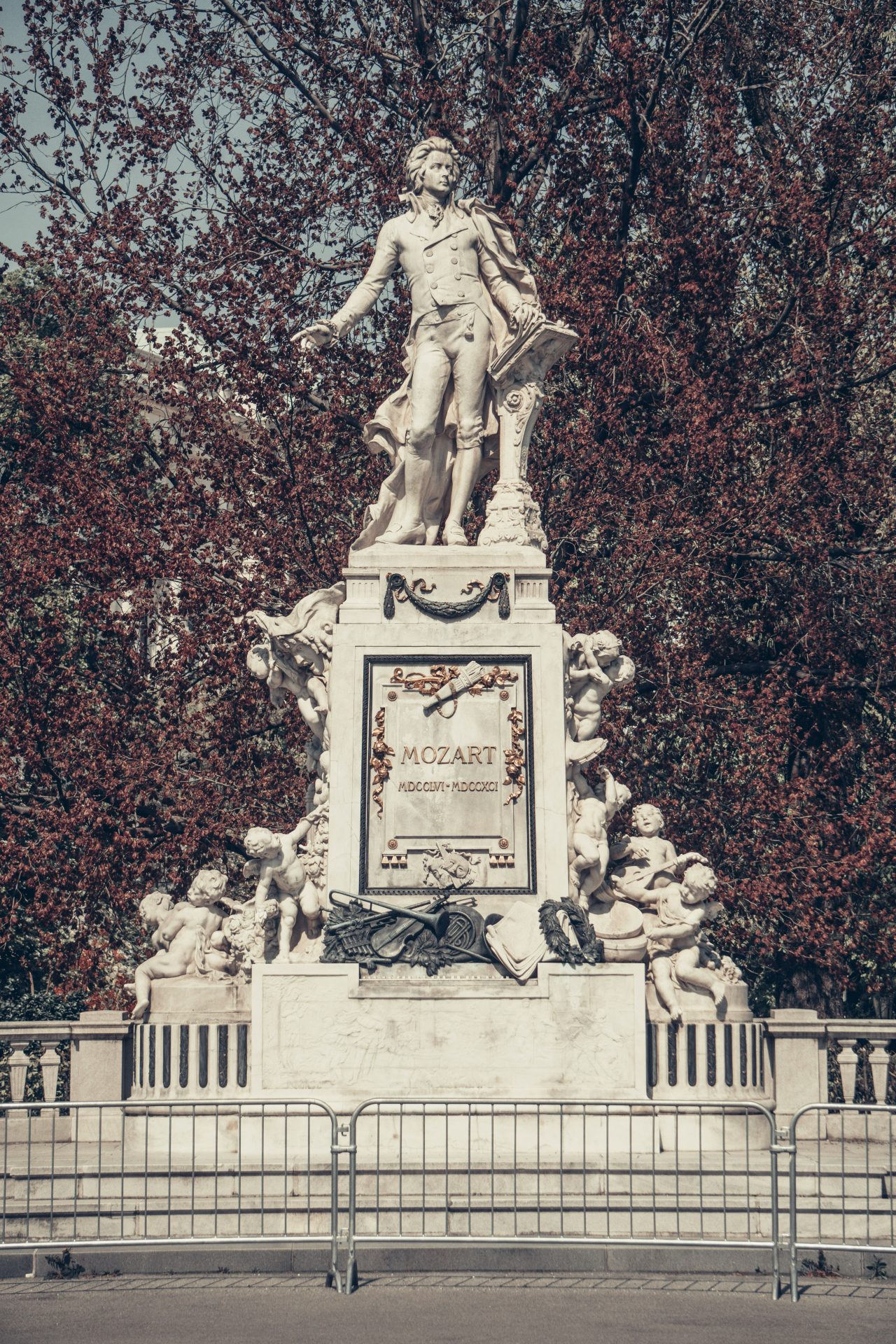
Mozart: The Sound of Enlightened Absolutism
In the heart of 18th-century Vienna, a revolutionary sound was taking shape, one that mirrored the seismic shifts occurring in European society. This was the Age of Enlightenment, a time when reason and individualism challenged the established order. In the Habsburg Empire, this spirit manifested as “Enlightened Absolutism,” particularly under Emperor Joseph II, a monarch who saw himself as the ‘foremost servant of the state’. The story of Mozart, classical music, and the sound of Enlightened Absolutism is the story of this era. At the center of this cultural vortex was Wolfgang Amadeus Mozart, whose compositions, far from being mere entertainment, were imbued with the very essence of the Enlightenment, reflecting its ideals of clarity, balance, and profound humanism. Wolfgang Amadeus Mozart’s reflection of Enlightened Absolutism can be heard in every note.
The Viennese Crucible: Where Classical Music Met the Age of Reason
Vienna in the 18th century was the glittering capital of a vast empire and a magnet for artists. The patronage of the Habsburg dynasty created a fertile ground for musical innovation. It was here that the Classical style in music reached its zenith, a departure from the ornate complexity of the Baroque. Classical era music and philosophical thought aligned perfectly, with the new style championing a lighter, clearer texture that emphasized elegance and simplicity. Composers like Joseph Haydn were central figures in this First Viennese School, but it was Mozart who, upon his arrival in 1781, would forever define the city’s musical identity. The classical compositions of Mozart in the Age of Reason represented the peak of this new form.
Emperor Joseph II was a key figure in this landscape. An accomplished musician, his reforms were deeply influenced by Enlightenment principles. He initiated policies of religious toleration, reformed the legal system, and favored accessible German opera and opera buffa (comic opera). This imperial preference created a unique opportunity for a composer of Mozart’s genius.
Come and experience travel!
Personally designed, seamlessly delivered – your journey, our expertise!
We are a boutique travel agency and consultancy specializing in Hub & Spoke Tours across Central Europe, the Benelux and the Dolomites.
Mozart’s Operas: A Mirror of Enlightened Absolutism
While Mozart’s symphonies are masterpieces, it is in his operas that Mozart’s music and the Enlightenment era find their most vivid expression. Here, Mozart became a sharp social commentator. His collaboration with the librettist Lorenzo Da Ponte produced three of the genre’s greatest works: *Le nozze di Figaro* (The Marriage of Figaro), Don Giovanni, and *Così fan tutte*.
*The Marriage of Figaro*, premiered in 1786, is a cornerstone of this revolution. Based on a controversial play, the opera was inherently subversive. Its plot, in which a clever servant outwits his aristocratic master, was a direct challenge to the social hierarchy. Figaro’s famous aria, “Se vuol ballare,” is a declaration that the old order was ending. Da Ponte may have softened the play’s most radical statements, but the opera’s critique of aristocratic privilege remains potent. It showcases the powerful intersection of Mozart, classical music, and Enlightenment politics.
Humanism and Morality: Enlightenment Ideals in Mozart’s Compositions
Enlightenment ideals in Mozart’s compositions are not simply political; they are profound explorations of human nature. He endows his characters, regardless of social standing, with a rich inner life expressed through music of unparalleled psychological depth. The Countess’s sorrow in *Figaro* or Donna Anna’s grief in *Don Giovanni* elevates them beyond stock characters, a hallmark of the Enlightenment’s focus on individual humanity.
*Don Giovanni* takes a darker turn, exploring morality and retribution through the tale of a libertine nobleman, grappling with philosophical questions of the era. *Die Zauberflöte* (The Magic Flute), a German Singspiel, is steeped in Masonic symbolism. Mozart, a committed Freemason, used the opera to explore the ideals of wisdom, reason, and the journey from darkness into light (enlightenment). The trials endured by the heroes represent a symbolic path toward purification, making the opera a powerful allegory for the triumph of reason over superstition.
Come and experience travel!
We design bespoke travel experiences with a perfect balance of cultural depth, efficiency and comfort.
Specializing in seamless hub-and-spoke journeys, we create well-paced, immersive itineraries tailored to your interests.
The Independent Artist: A Break with the Patronage System
Mozart’s career in Vienna also signifies a crucial shift in the artist’s status. Though he eventually received a court appointment from Joseph II, Mozart largely operated as a freelance musician—a bold path that challenged the traditional patronage system, where musicians were essentially servants. He organized his own concerts, published his music, and sought commissions, prefiguring the modern entrepreneurial artist. This desire for independence was in itself an Enlightenment ideal, a declaration of the artist’s individual worth and creative autonomy. It was Mozart’s sound in the age of enlightened monarchs, a new voice for a new kind of creator.
His music, therefore, is more than just a soundtrack; it is a complex reflection of its time. In its clarity, emotional depth, and social commentary, his work captures the sound of the Viennese Enlightenment in Mozart’s work. It is the sound of an age that dared to question authority, celebrate reason, and place humanity at the center of the universe. To listen to the music of Mozart and the rule of Joseph II is to experience the intellectual ferment of late 18th-century Vienna, a world where a new, more enlightened future seemed possible, all expressed through the timeless beauty of his art.
Mozart – Classical Music – Sound of Enlightened Absolutism in Vienna and Austria
- Mozarthaus Vienna: Explore Mozart’s only preserved Viennese residence, offering insights into his life, work, and the cultural context of his time in the city.
- Viennese Classicism – Wien Tourism Board (cultural information): An overview of the Classical era in Vienna, highlighting the contributions of Mozart, Haydn, and Beethoven and the city’s role as a musical hub.
- Classical Music and Enlightenment Thought – Britannica: Delve into the intellectual and philosophical underpinnings of the Classical music period, connecting musical developments with the ideals of the Enlightenment.
- Enlightened Absolutism under Maria Theresia and Joseph II – The World of the Habsburgs: Understand the political and social reforms of the Habsburg monarchs who embodied enlightened absolutism, setting the stage for Mozart’s artistic environment.
- Wolfgang Amadeus Mozart – Austria Tourism (cultural information): A general introduction to Mozart’s life and legacy, focusing on his connections to Austria and his impact on classical music.
- Klassik (Musik) – Vienna History Wiki (German): Detailed historical and cultural information on the Classical music period specifically within Vienna, often referencing primary sources and local contexts.
- The Belvedere – History and Baroque Grandeur: While not directly about music, the Belvedere’s history as a palace built during the era preceding and influencing enlightened absolutism showcases the artistic and architectural tastes of the time that fostered classical music.
- University of Vienna (relevant departments for musicology/history): Explore potential academic resources or publications from the University of Vienna’s musicology or history departments, which often host research on Mozart and the Viennese Classical period. (Note: Specific direct links to articles vary, but the university is a key research institution).
- Austrian National Library: A vast repository of historical documents, scores, and cultural heritage, offering direct access to primary sources related to Mozart and the music of his era.
- Heilbrunn Timeline of Art History – The Metropolitan Museum of Art (Classical Art and Music): Provides a global context for the Classical period, including its musical developments, allowing for a broader understanding of how Mozart’s work fit into wider artistic and intellectual trends.