

Experience Travel Insights
Christmas Over-Tourism Threatens Local Vendors
Your dream trip to a European Christmas market might be destroying the very magic you came to find.
That hand-carved ornament you’re admiring? The artisan selling it is fighting to survive—and rising tourist numbers are partly why. This eye-opening read reveals the hidden economic crisis behind the twinkling lights, how “authenticity” gets crushed by crowds, and what savvy American travelers can do to actually support these traditions instead of accidentally erasing them.
by Long Lin-Maurer • December 14, 2025
Christmas Over-Tourism Threatens Local Vendors
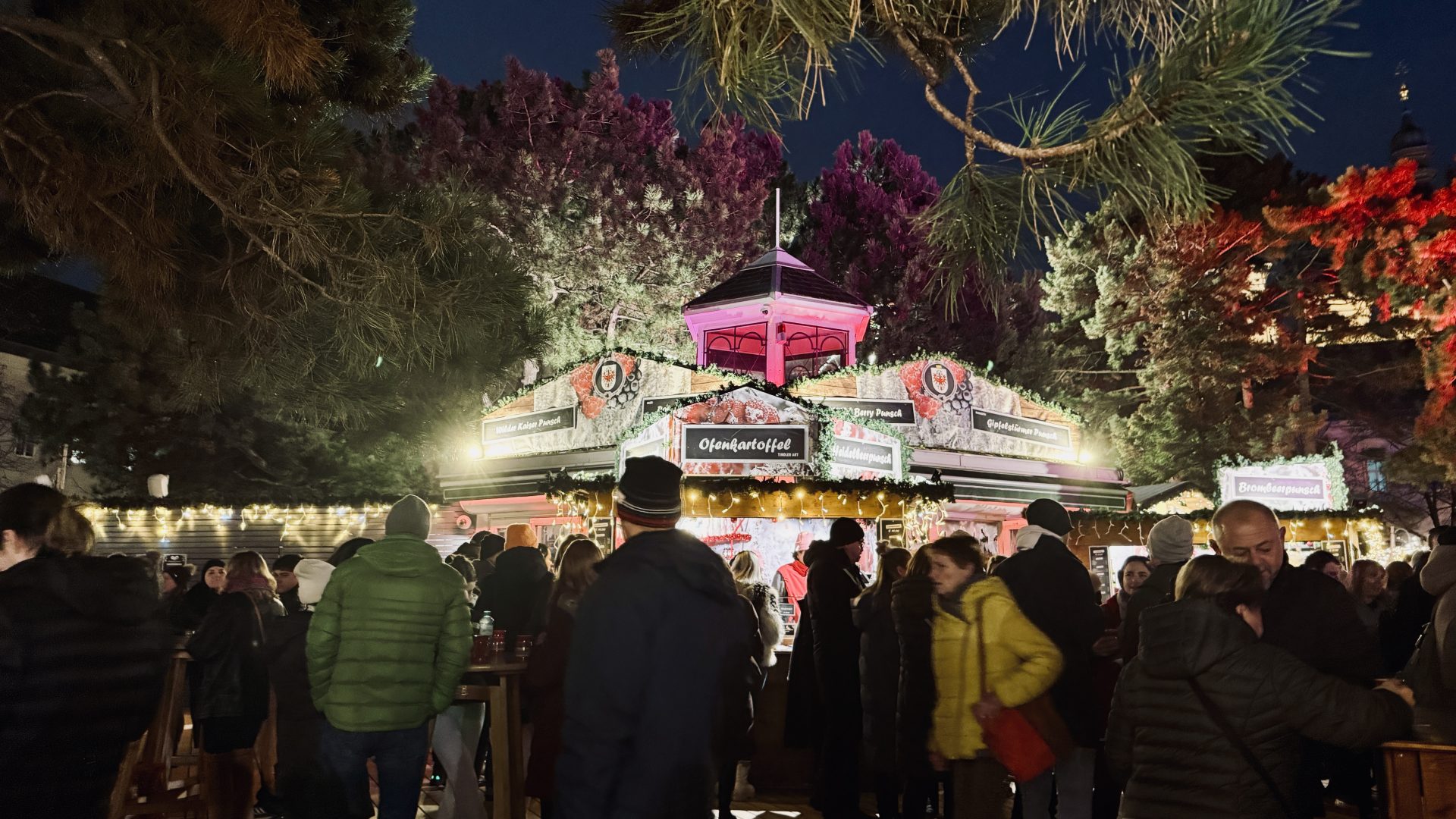
The scent of roasted chestnuts mingles with mulled wine as thousands of visitors shuffle through narrow lanes adorned with hand-carved wooden ornaments and generations-old gingerbread recipes. From Vienna’s magnificent Christkindlmarkt to the enchanting stalls nestled in Nuremberg’s medieval square, Central Europe’s holiday destinations have become bucket-list spots drawing millions of international travelers each year. Yet beneath the fairy-tale ambiance lies a troubling question: Why is the steadily increasing number of Christmas Tourists a danger for small merchants?
The very popularity that has transformed these markets into global attractions is slowly strangling the artisanal vendors who give them their character. This article explores the risks of rising holiday tourism for local vendors and the hidden economic paradoxes threatening the soul of Europe’s historic markets.
Come and experience travel!
Personally designed, seamlessly delivered – your journey, our expertise!
We are a boutique travel agency and consultancy specializing in Hub & Spoke Tours across Central Europe, the Benelux and the Dolomites.
The Consequences of Booming Christmas Tourism: When Success Becomes a Burden
What began centuries ago as simple winter gatherings where local craftspeople sold their wares has evolved into a multi-billion-euro phenomenon. The transformation has been remarkable—and remarkably fast. However, the consequences of booming Christmas tourism are not purely positive. Visitor numbers at major European sites have increased by over forty percent in the past decade, with destinations like Strasbourg welcoming millions of guests during Advent.
For the uninitiated observer, this overtourism at Christmas markets might seem like good news. More visitors should theoretically yield more prosperity. The reality, however, is a harsh struggle for historic market vendors. Small stallholders—the family-run businesses that have formed the backbone of these events—are caught in an economic trap where rising seasonal footfall does not equate to sustainable profit. They face a scenario where crowds multiply, but margins shrink, illustrating the impact of Christmas market overcrowding on artisans.
Demand Inhomogeneity: The Challenge of International Visitor Expectations
Perhaps the most significant challenge facing small merchants is the radical transformation of their customer base due to international visitor expectations. Historically, a woodcarver in the Austrian Alps knew his audience: locals with shared cultural references. Today, the dangers of tourist influx for independent merchants become clear when a single stall must serve visitors from Tokyo, São Paulo, and Minneapolis within an hour.
This dizzying internationalization creates what market researchers call “demand inhomogeneity.” It creates a specific threat of high visitor numbers to small business owners: how does a craftsperson with limited resources create an offering that resonates across vastly different cultural backgrounds?
Come and experience travel!
We design bespoke travel experiences with a perfect balance of cultural depth, efficiency and comfort.
Specializing in seamless hub-and-spoke journeys, we create well-paced, immersive itineraries tailored to your interests.
A hand-painted nutcracker might delight one visitor but hold no appeal for another. Traditional spiced wine might taste strange to foreign palates. Unlike major retail chains, small merchants lack the agility to adapt to these fragmented global tourist trends. They are forced to guess, risking their identity to appeal to a mass market, often sacrificing the authentic cultural experience that defined them.
The Data Desert in Retail: Operating Blind in an Age of Analytics
Modern retail success depends on understanding consumer behavior. However, Christmas market stallholders operate in a data desert in retail. While large corporations analyze shopping patterns, small vendors cannot easily determine why the steadily increasing number of Christmas tourists often results in browsing rather than buying.
When a tourist walks away without purchasing, the merchant rarely knows why. Was the price too high? Was the traditional craftsmanship not understood? These questions remain unanswerable for small businesses dealing with transient crowds. Without systematic ways to understand what different visitor segments value, small merchants cannot strategically adapt to the negative effects of increasing tourist crowds. They remain reactive, unable to bridge the gap between their heritage and modern consumer habits.
Rising Rental Costs and the Economics of Extinction
If serving inhomogeneous crowds represents a strategic difficulty, the rising rental costs pose an existential threat. As markets gain renown, the commercialization of tradition has led to fierce competition for prime locations. In premier markets like Munich or Cologne, securing a wooden stall can cost tens of thousands of euros—figures that are astronomical for small artisans.
Come and experience travel!
Our expertise lies in uncovering authentic stories, hidden corners, and behind-the-scenes experiences that bring destinations to life.
We design customized mindful travel experiences that seamlessly integrate mindful eating and mindful indulgence. These experiences foster self-care and create transformational journeys that nurture mental well-being, promote sustainable travel, and strengthen family connections.
This is a primary reason why the steadily increasing number of Christmas tourists is a danger for small merchants. The influx drives up overheads. Twenty years ago, rent might have been a fraction of revenue. Today, the seasonal revenue squeeze means rental costs can consume half of gross sales.
To survive, merchants must often raise prices or compromise on quality, moving away from European Christmas markets infrastructure traditions toward mass-produced goods. This economic pressure allows larger commercial operators to replace departing artisans with standardized products, accelerating the loss of market authenticity.
The Authenticity Paradox: Loving Something to Death
What makes this situation particularly poignant is the “authenticity paradox.” Research shows that travelers seek traditional craftsmanship and local products. They want exactly what the small merchants provide. Yet, the aggregate effect of millions of visitors creates conditions that make delivering that authentic cultural experience nearly impossible.
The challenges for stallholders due to mass tourism include the physical inability to engage. A craftsman who once explained the history of his art now faces a moving queue of hurried tourists. The personal connection—the heart of the market—is severed by the sheer volume of people. The preservation of local heritage is compromised as merchants are forced to prioritize speed and volume over the slow, deliberate pace of traditional sales.
Preserving Magic Through Mindful Engagement
For travelers who value these destinations, understanding why the steadily increasing number of Christmas tourists is a danger for small merchants changes the nature of their visit. It shifts the focus from consumption to cultural support.
To combat the commercialization of tradition, informed visitors can approach these spaces with curiosity. Which merchants represent genuine local traditions? How can one support the struggle of historic market vendors? Recognizing the difference between an authentic family operation and a commercial facsimile is vital.
The future of these markets hangs in the balance. They can evolve into hollow commercial spectacles, or find a new equilibrium. But fundamentally, the risks of rising holiday tourism must be acknowledged. For the twinkling lights to illuminate genuine cultural treasures rather than just memory, the economic and social dangers facing the small merchants must be addressed before the soul of the market is lost forever.
The Impact of Rising Christmas Tourism on Small Merchants and Cultural Authenticity
- Deutsche Welle: Christmas markets – Tradition vs. Kitsch – An analysis by Germany’s international broadcaster examining how the influx of mass tourism encourages the sale of mass-produced, imported goods, threatening the livelihood of traditional local artisans and craftspeople.
- The Guardian: ‘We are forcing the locals out’: the chaotic tourism of Prague – A descriptive look at how overtourism in a major Central European capital displaces local services and traditional shops in favor of tourist-centric souvenir stores (“Disneyfication”) and high-turnover bars.
- Sustainability Journal: Residents’ Perception of Overtourism in Historic Centers – A scientific study discussing how excessive tourist numbers in historic Central European cities lead to “commercial gentrification,” where rising rents force out small, utility-oriented merchants serving such residents.
- Europe Now: The Commodification of Christmas Markets in Central Europe – An academic perspective on how the “festivalization” of city centers creates an environment where authentic heritage is packaged for consumption, often marginalizing small, authentic producers unable to compete with commercial giants.
- BBC Travel: Why European cities are pushing back against Christmas market crowds – Investigates the logistical and economic strain caused by mass tourism, highlighting how overcrowding deters local clientele from visiting city centers, thereby hurting year-round small businesses.
- OECD: Tourism Trends and Policies – Managing Tourism Growth – A policy report detailing the challenges of unmanaged tourism growth, including the risk to local economic ecosystems and the displacement of SMEs (Small and Medium-sized Enterprises) by large, tourism-focused operators.
- The Conversation: Christmas markets: How they became a global multi-billion dollar industry – Discusses the economic shift of traditional markets into global attractions, analyzing how high stall fees generally favor high-volume commercial vendors over small, independent local merchants.
- UNESCO World Heritage: Sustainable Tourism Program – Information on how heritage sites (often the location of markets) struggle to balance visitor numbers with the preservation of the “living city,” ensuring that local businesses remain viable against the pressure of tourist monocultures.
- Reuters: Prague declares war on ‘visual smog’ to reclaim city for locals – A report on administrative efforts to curb the proliferation of flashy, tourist-trap businesses that degrade cultural heritage and competitively disadvantage legitimate small merchants.
- ResearchGate: Overtourism and the Impact on Quality of Life and Local Economy – A collection of research highlighting how “touristification” leads to the disappearance of essential local retail infrastructures (bakeries, hardware stores) as landlords pivot to more lucrative, seasonal tourist leases.