

Experience Travel Blog
The Woman in Gold: The Epic Fight to Reclaim Vienna’s Stolen Masterpiece
The most famous painting missing from Vienna’s walls tells a story every American traveler should know before visiting.
Behind Klimt’s golden masterpiece lies a saga of Nazi plunder, Austrian complicity, and a Los Angeles woman who fought all the way to the Supreme Court to reclaim her family’s stolen art. This article reveals how understanding one portrait’s journey transforms Vienna from a beautiful backdrop into a city of powerful, layered history—and why what’s absent from the Belvedere matters as much as what hangs there.
by Long Lin-Maurer • October 7, 2026
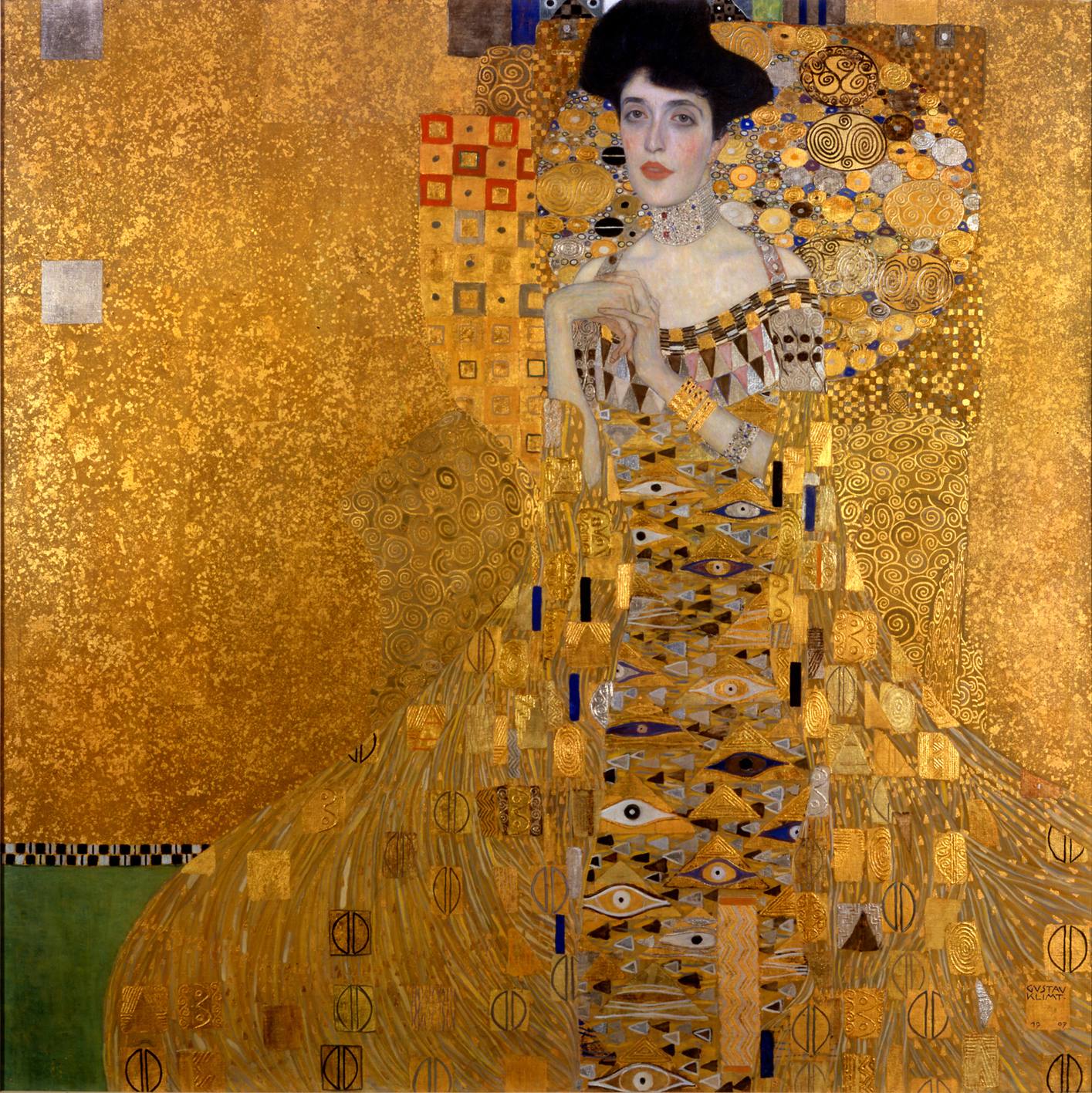
Woman in Gold: The True Story Behind Vienna’s Most Famous Stolen Masterpiece
A Portrait That Witnessed a Century of Injustice
She gazes out from a shimmering field of gold leaf, her expression poised somewhere between serenity and quiet defiance. For decades, Austrians called her simply “the Lady in Gold” — as though she had no name, no family, no story worth remembering. But she had all three. Her name was Adele Bloch-Bauer, and the journey of her portrait from a grand Viennese salon to a museum wall in Manhattan is one of the most extraordinary tales of art, injustice, and restitution in modern history.
For American travelers arriving in Vienna today, the absence of this painting from the walls of the Austrian Gallery Belvedere is itself a story — one that reveals uncomfortable truths about complicity, opportunism, and the painstaking work of recovering what was plundered. Understanding the full narrative transforms a visit to Vienna from a pleasant sightseeing trip into something far more profound: a reckoning with the layers of history that shaped one of Europe’s most beautiful cities.
Adele Bloch-Bauer: The Muse Behind the Masterpiece
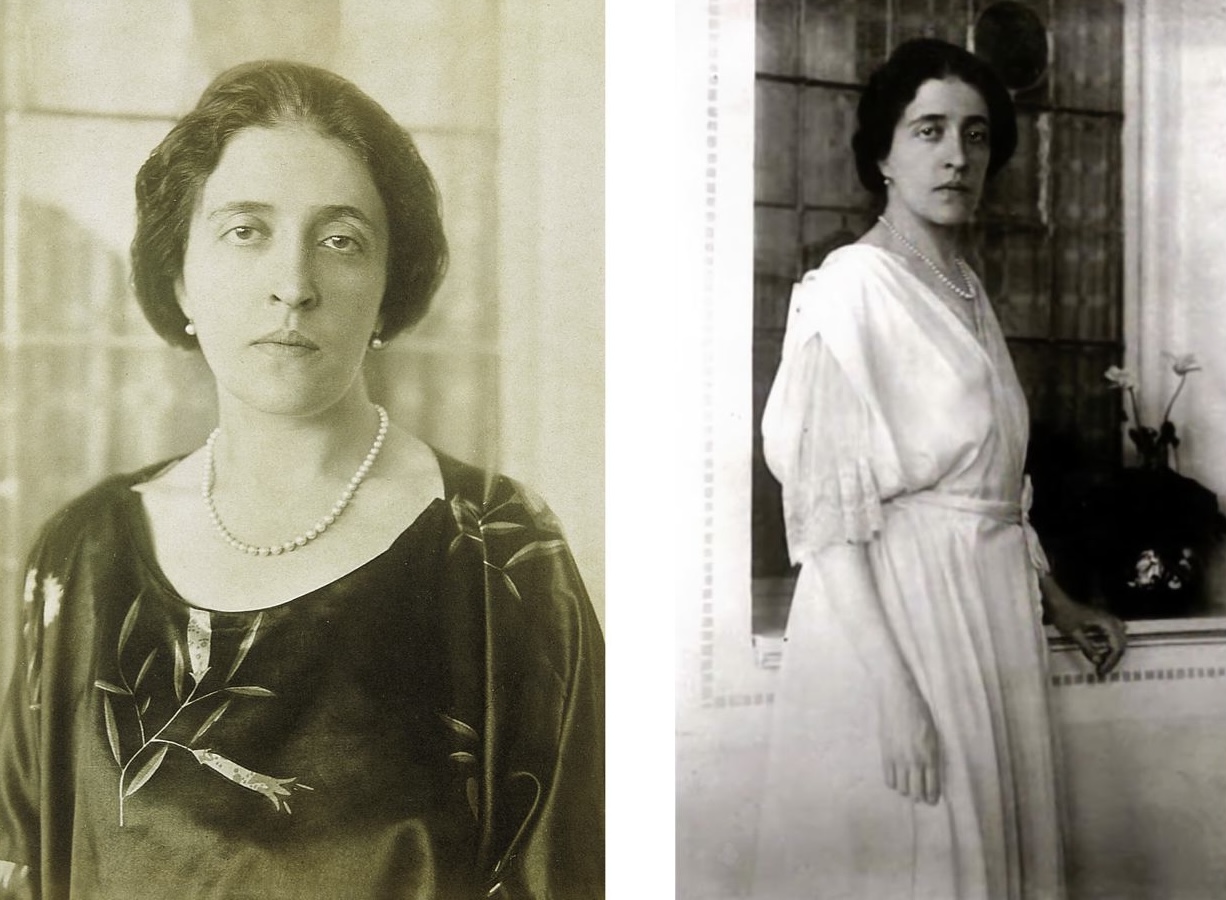
To understand the painting, you must first understand the woman. Adele Bloch-Bauer was born in 1881 into a prominent Viennese banking family named Bauer. Brilliant, cultured, and restless, she married Ferdinand Bloch, a wealthy sugar industrialist, in 1899. The couple merged their surnames — a practice not uncommon among Vienna’s Jewish elite — becoming the Bloch-Bauers.
Come and experience travel!
Personally designed, seamlessly delivered – your journey, our expertise!
We are a boutique travel agency and consultancy specializing in Hub & Spoke Tours across Central Europe, the Benelux and the Dolomites.
Adele was no passive socialite. She hosted one of the most vibrant intellectual salons of fin-de-siècle Vienna, drawing composers, writers, politicians, and artists into spirited conversation in the family’s opulent apartment on the Elisabethstraße. She was deeply engaged with philosophy, literature, and the arts, and she became a significant patron and close acquaintance of Gustav Klimt, then at the height of his creative powers.
Klimt painted Adele twice — the only subject he ever honored in this way. The first portrait, completed in 1907 during what art historians call Klimt’s golden phase, is a breathtaking fusion of Byzantine iconography, Japonisme, and Art Nouveau sensibility. Encased in gold and silver leaf, adorned with symbolic eyes and spirals, the work is simultaneously intimate and monumental. It became, in many ways, Vienna’s Mona Lisa.
Adele died in 1925, at just forty-three, from meningitis. In her will, she expressed a wish that the paintings be donated to the Austrian State Gallery. But a wish is not a legal bequest — and the paintings belonged not to Adele, but to her husband Ferdinand. This distinction would become decisive decades later.
Ferdinand Bloch-Bauer: Destroyed Before the Nazis Even Arrived
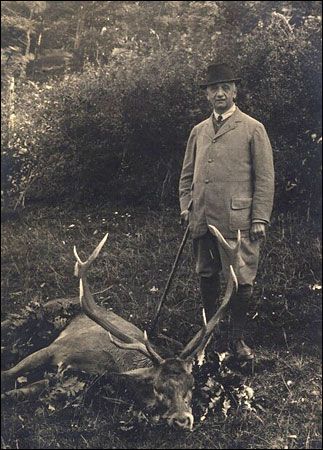
The fate of Ferdinand Bloch-Bauer is a case study in how persecution does not require a swastika to be devastating. Ferdinand was a Jewish industrialist of immense stature, one of the largest sugar producers in the Austro-Hungarian Empire and its successor states. His refinery operations, his property holdings, and his art collection represented a fortune built over a lifetime of disciplined enterprise.
What happened to Ferdinand was not solely the work of the Nazi regime. Even before the Anschluss — Austria’s annexation by Hitler’s Germany in March 1938 — Ferdinand faced relentless pressure from business competitors and local Austrian authorities who saw an opportunity to seize what they coveted. Accusations of tax evasion were fabricated and wielded as bureaucratic weapons. These were not Nazi directives; they were the calculated maneuvers of Austrian officials and commercial rivals who used the existing legal system to systematically dismantle Ferdinand’s business empire and force him out.
When the Nazis did arrive, the process of expropriation accelerated into outright plunder. Ferdinand’s properties were aryanized — a chillingly bureaucratic term for the seizure of Jewish-owned assets and their transfer to non-Jewish hands. His art collection, including the Klimt portraits, was confiscated. The Austrian Gallery absorbed the paintings, and for decades would claim they were a legitimate bequest honoring Adele’s wishes.
Ferdinand fled to Switzerland, where he lived out his final years in exile, stripped of nearly everything he had built. He died in Zürich in November 1945, just months after the war’s end, never having returned to Vienna. In his will, he left his estate — including whatever might be recovered — to his nephew and nieces. Among them was a young woman named Maria Altmann.
Maria Altmann: A Niece, a Survivor, a Fighter
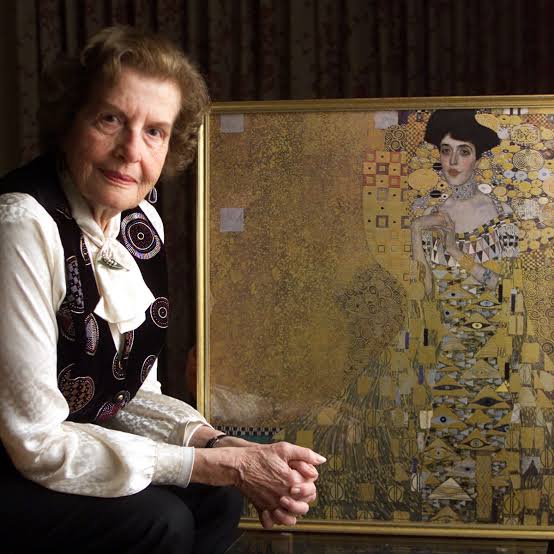
Maria Altmann, née Bloch, was Ferdinand and Adele’s niece. She had grown up surrounded by the Bloch-Bauer world — the art, the music, the intellectual ferment of interwar Vienna. She remembered the Klimt portraits hanging in her uncle and aunt’s home. The golden painting of Adele was not an abstract masterpiece to her; it was a portrait of her beloved aunt, part of the fabric of her family life.
Maria married Frederick Altmann, a promising young opera singer, in a ceremony that took place in the very apartment where the Klimt paintings hung. Their wedding photograph captures a world of elegance and warmth that was about to be annihilated.
Escape from a Closing Trap
After the Anschluss, the situation for Vienna’s Jewish families deteriorated with terrifying speed. Frederick Altmann was arrested and detained. Maria, resourceful and courageous beyond measure, managed to secure his release. But the couple understood that remaining in Austria was a death sentence.
Their flight from Nazi Austria reads like a thriller. With borders tightening and exit visas nearly impossible to obtain, Maria and Frederick made a harrowing escape. They eventually reached the Netherlands by plane and from there made their way to Liverpool, England. Ultimately, they crossed the Atlantic to the United States, settling in Los Angeles. Maria would become an American citizen, build a new life, and for decades, largely set aside the question of the expropriated family art collection. The pain was too vast, the odds of recovery too remote, and the Austrian government too unwilling.
That changed in the late 1990s, when Austria passed a restitution law that — ostensibly — opened the door for families to reclaim plundered art. When Maria formally requested the return of the Klimt paintings, including the Portrait of Adele Bloch-Bauer I, the Austrian authorities refused. They continued to invoke Adele’s non-binding wish as legal cover, despite Ferdinand’s will clearly leaving the estate to his heirs. The message was unmistakable: the art would stay in Vienna.
E. Randol Schoenberg and the Legal Battle of a Lifetime
Enter E. Randol Schoenberg — known as Randy — a young Los Angeles attorney with a personal connection to Vienna’s cultural history. He was the grandson of the legendary composer Arnold Schoenberg, who had himself fled the Nazis. Randy Schoenberg took on Maria Altmann’s case with a tenacity that would ultimately reshape international art restitution law.
The obstacles were staggering. Austria invoked sovereign immunity, arguing that an American court had no jurisdiction over a foreign nation’s museum holdings. The case ascended through the American legal system until it reached the highest court in the land. In 2004, the United States Supreme Court ruled in *Republic of Austria v. Altmann* that foreign sovereign immunity did not apply retroactively to bar claims based on actions that predated the relevant statute. It was a landmark decision — and it opened the floodgates.
Rather than proceed through years of costly litigation in U.S. courts, the parties agreed to submit the dispute to an Austrian arbitration panel. In January 2006, that panel ruled decisively in Maria Altmann’s favor. The five Klimt paintings — including the golden portrait — belonged to the Bloch-Bauer heirs.
Austria was stunned. The painting that had for decades been presented as a national treasure was, in the eyes of the law, Nazi-looted art that had never been legitimately acquired by the state.
From the Belvedere to the Neue Galerie
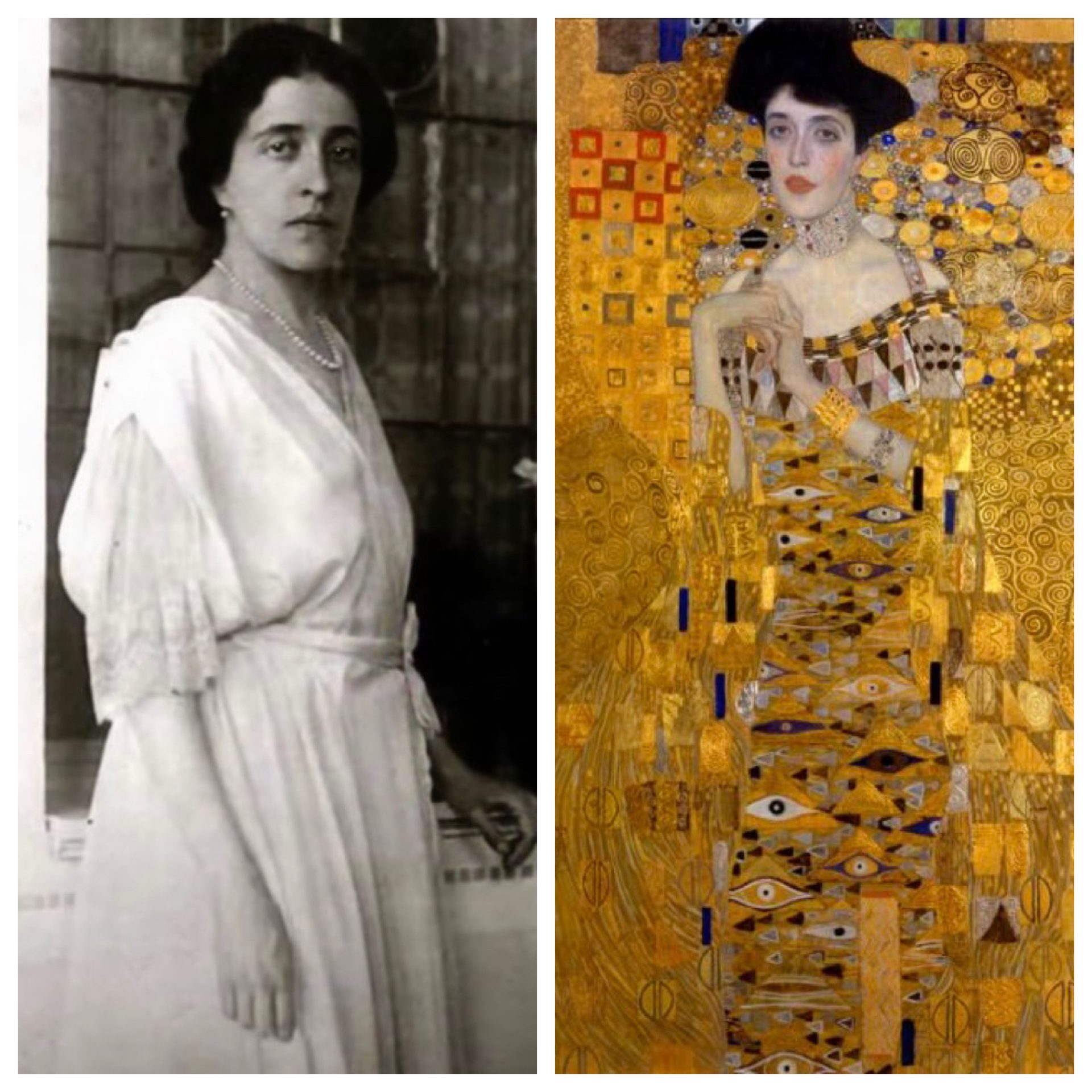
Maria Altmann, by then eighty-nine years old, gave Austria the opportunity to purchase the paintings. The Austrian government declined, unable or unwilling to meet the valuation. The Portrait of Adele Bloch-Bauer I was subsequently acquired by Ronald Lauder, the American businessman and art collector, for a reported $135 million — at the time, the highest price ever paid for a painting. It found its permanent home at the Neue Galerie New York, the museum Lauder co-founded on Fifth Avenue dedicated to early twentieth-century German and Austrian art and design.
Today, any visitor to Manhattan can stand before the golden portrait and see what Maria Altmann saw as a child in her aunt and uncle’s home. The painting glows with the same intensity it possessed a century ago, but now it carries the weight of everything that happened between then and now — the salons of fin-de-siècle Vienna, the fabricated charges, the expropriation, the exile, the escape, the decades of silence, and the courtroom battles that finally delivered justice.
Walking the Story in Vienna
For those who travel to Vienna, the traces of this story are everywhere — though you need someone who knows where to look. The Belvedere Palace still houses extraordinary Klimt works, including *The Kiss*, and standing in its galleries with the knowledge of what is absent is itself a powerful experience. The streets of the first district still bear the architecture of the world the Bloch-Bauers inhabited. The café culture they helped define still thrives. Even the bureaucratic buildings where expropriation orders were signed still stand.
Understanding this history does not diminish Vienna’s beauty — it deepens it immeasurably. It transforms gilded façades from picturesque backdrops into witnesses. It turns a stroll through the Ringstraße into a meditation on who built this city, who was driven from it, and what justice looks like when it arrives sixty years late.
This is the kind of story that deserves more than a paragraph in a guidebook. It deserves to be walked, to be told in the places where it happened, by someone who understands both the radiance and the shadows of this extraordinary city.
Historical and Cultural Resources on the Woman in Gold
- Smarthistory: Gustav Klimt, Portrait of Adele Bloch-Bauer I – An academic breakdown of Klimt’s golden phase, exploring the Byzantine iconography and Art Nouveau elements that transformed Adele into an art historical icon.
- Neue Galerie New York: Gustav Klimt Collection – The official museum repository page detailing the permanent placement of the portrait after its historic $135 million acquisition by Ronald Lauder.
- Oyez: Republic of Austria v. Altmann (2004) – Provides the complete legal documentation and Supreme Court audio regarding the landmark decision that stripped Austria of retroactive sovereign immunity in this restitution case.
- Smithsonian Magazine: The True Story of the Woman in Gold – A comprehensive historical deep-dive into Maria Altmann’s harrowing escape from Nazi-occupied Vienna and her subsequent decades-long battle for justice alongside attorney E. Randol Schoenberg.
- National Archives: Holocaust-Era Assets and Looted Art – Scientific and historical records documenting the systemic processes of expropriation and “aryanization” utilized by the Nazis and local authorities to seize Jewish-owned assets.
- Belvedere Museum Vienna: The Klimt Collection – Showcases the historic gallery that originally housed the portrait, offering cultural context on Klimt’s work and acknowledging the complex history of Austria’s national art holdings.
- The New York Times: Maria Altmann Obituary and Retrospective – A detailed biographical account of Maria Altmann’s life, chronicling her transformation from a Viennese refugee to a triumphant figure in international art restitution.
- Jewish Museum Vienna: Adele and Ferdinand Bloch-Bauer – Explores the cultural impact of Vienna’s Jewish elite, the vibrant fin-de-siècle intellectual salons on Elisabethstraße, and the targeted dismantling of Ferdinand’s business empire.
- Los Angeles Times: Austrian Panel Awards Klimt Paintings to Altmann – A contemporary journalistic report on the stunning 2006 Austrian arbitration panel ruling that officially classified the portrait as looted art and ordered its return to the Bloch-Bauer heirs.
- Leo Baeck Institute: Archives of German-speaking Jewry – A primary academic resource detailing the bureaucratic persecution and fabricated tax evasion claims leveled against Jewish industrialists like Ferdinand Bloch-Bauer even before the 1938 Anschluss.
We look forward to hearing from you:
Travel Guide
Climate Certified
Award Winner 2026
Transport Agent
State Certified
Water Sommelier
Come and experience travel!
Personally designed, seamlessly delivered – your journey, our expertise!
We are a boutique travel agency and consultancy specializing in Hub & Spoke Tours across Central Europe, the Benelux and the Dolomites.
Tour Guide